


 Deutsch
 English
 Español
 Français
 Nederlands
 Português


 Share
Share




The Tariff-Driven Supply Chain Transformation: How 2025 Trade Policies Are Reshaping Global Manufacturing Footprints
In 2025, escalating tariff tensions have become the defining issue for global supply chains, with McKinsey's Supply Chain Risk Pulse survey revealing that 82% of companies report significant impacts affecting 20-40% of their supply chain activities. This analytical examination explores how these trade policies are fundamentally altering global manufacturing footprints, driving strategic shifts toward nearshoring and reshoring as companies navigate the new geopolitical landscape of international trade.
What is the Tariff-Driven Supply Chain Transformation?
The tariff-driven supply chain transformation represents a fundamental reconfiguration of global manufacturing networks in response to escalating trade barriers. Unlike previous supply chain optimizations focused on cost minimization, this shift prioritizes resilience, proximity, and risk management. The transformation encompasses strategic relocation of production facilities, diversification of sourcing locations, and restructuring of logistics networks to mitigate tariff exposure while maintaining operational efficiency.
The McKinsey Data: Quantifying the Impact
McKinsey's 2025 Supply Chain Risk Pulse survey provides compelling evidence of the scale of disruption. With 82% of companies experiencing tariff impacts, the data reveals that consumer goods companies face the highest exposure at 43% of activities affected, while chemicals companies see the lowest at 23%. Supply chains with US exposure are most affected, with 70% of respondents reporting greater or equal impact on US demand compared to other markets. This data underscores why tariffs have become the dominant supply chain risk in 2025, surpassing even pandemic-related disruptions in strategic importance.
Regional Manufacturing Shifts: Nearshoring in Action
US Companies: Mexico and Canada as Strategic Hubs
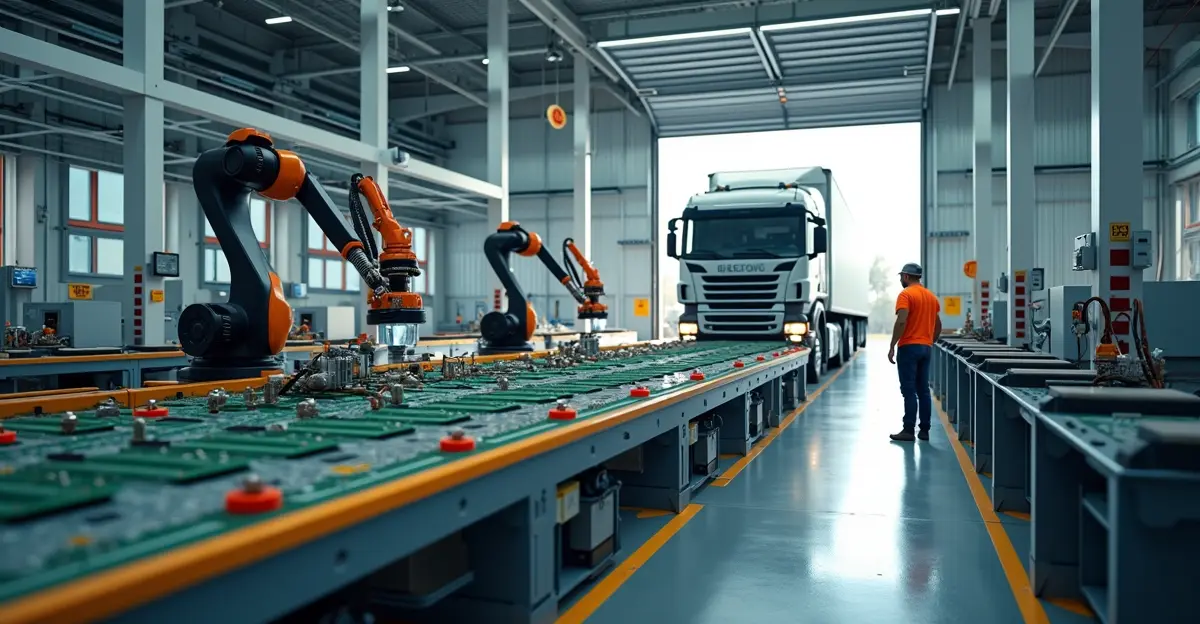
American manufacturers are accelerating nearshoring to Mexico and Canada, leveraging USMCA benefits and geographic proximity. Mexico offers 30-40% lower labor costs while maintaining close proximity to US markets, creating an ideal balance of cost efficiency and supply chain resilience. The automotive sector exemplifies this trend, with companies like Ford and GM increasing local battery production to qualify for incentives under the Inflation Reduction Act while avoiding punitive tariffs on Chinese components. This strategic realignment represents a significant departure from the globalized manufacturing model that dominated the past three decades.
UK Firms: Eastern Europe Post-Brexit
British companies are systematically shifting manufacturing operations to Eastern Europe following Brexit complications. Countries like Poland, Czech Republic, and Hungary offer competitive labor costs, EU market access, and reduced logistical complexity compared to Asian alternatives. This strategic pivot addresses both tariff concerns and the practical challenges of UK-EU trade barriers, creating a new manufacturing corridor that balances cost efficiency with regulatory compliance. The trend reflects a broader post-Brexit economic realignment that continues to reshape European manufacturing networks.
Automotive Sector: Battery Production Localization
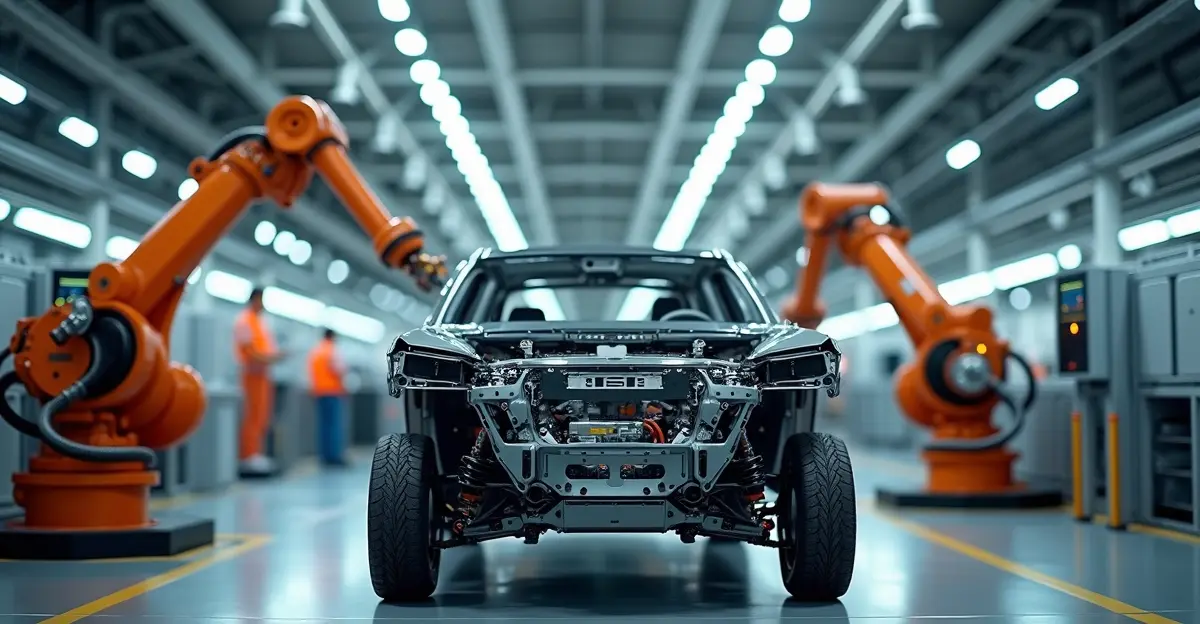
The automotive industry provides the most dramatic example of tariff-driven transformation, particularly in electric vehicle battery production. US tariffs on battery components have reached up to 100% in some categories, creating powerful incentives for localization. Major manufacturers are investing billions in domestic battery production facilities, with battery manufacturing costs rising to $95/kWh due to tariff pressures. According to S&P Global Mobility, this has led to a projected 56% decline in North American battery demand by 2030 compared to previous projections, as companies recalibrate their production strategies.
The Corporate Response: Absorbing Costs vs. Passing Them On
A surprising trend emerging from the tariff landscape is corporate willingness to absorb costs rather than pass them to consumers. Major corporations including GM, Walmart, and Home Depot are taking significant financial hits to maintain market share and avoid political backlash. GM reported tariffs took a $1.1 billion bite out of its second quarter profit, reducing net income by 35%, while Stellantis absorbed a $350 million profit hit. This approach reflects both competitive pressures and strategic calculations about long-term market positioning in an uncertain trade environment.
Strategic Implications for Global Trade Patterns
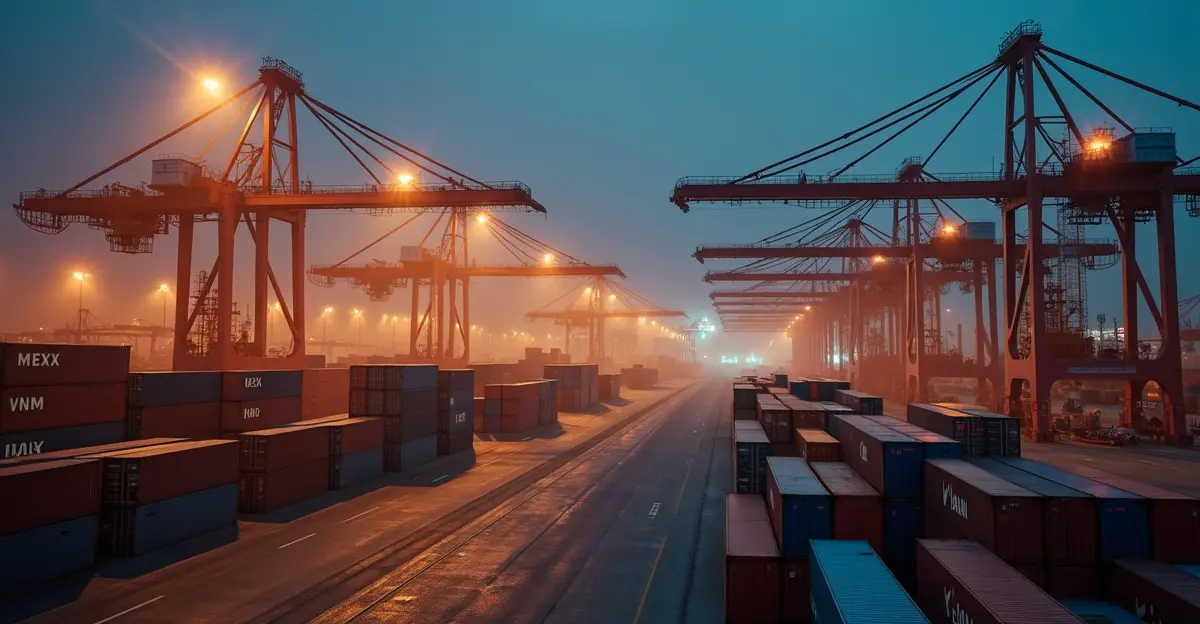
The tariff-driven transformation has profound implications for global trade architecture. Traditional extended global supply chains are giving way to regional models that prioritize resilience over pure cost efficiency. This shift represents a strategic evolution from the just-in-time manufacturing systems that dominated pre-pandemic thinking to more resilient, geographically concentrated networks. The transformation is particularly evident in critical sectors like semiconductors, pharmaceuticals, and renewable energy components, where national security concerns intersect with economic competitiveness.
Expert Perspectives on the Transformation
Supply chain experts emphasize that this transformation represents more than a tactical adjustment. 'We're witnessing a fundamental rethinking of global manufacturing strategy,' notes Dr. Elena Rodriguez, a supply chain analyst at Deloitte. 'Companies are moving from cost minimization to resilience optimization, recognizing that the lowest-cost supplier may not be the most reliable in a tariff-constrained environment.' This sentiment is echoed across industry analyses, with 71% of US CEOs planning to alter their supply chains in the next 3-5 years according to Deloitte research.
Future Outlook: Sustainable Transformation or Temporary Adjustment?
The critical question facing global manufacturers is whether this transformation represents a sustainable new paradigm or a temporary adjustment to current political realities. Evidence suggests structural factors will maintain momentum: digital transformation enables more distributed manufacturing, sustainability concerns favor localized production, and geopolitical tensions show no signs of abating. However, significant challenges remain, including labor skill shortages, supply chain complexity, and the capital investment required for facility relocation. The ultimate trajectory will depend on the interplay between trade policy evolution and corporate strategic responses.
FAQ: Tariff-Driven Supply Chain Transformation
What percentage of companies are affected by 2025 tariffs?
According to McKinsey's 2025 Supply Chain Risk Pulse survey, 82% of companies report significant impacts from tariffs affecting 20-40% of their supply chain activities.
How are US companies responding to tariff pressures?
US companies are accelerating nearshoring to Mexico and Canada while increasing domestic manufacturing, leveraging USMCA benefits and government incentives like the CHIPS Act and Inflation Reduction Act.
What is the difference between nearshoring and reshoring?
Nearshoring involves shifting operations to geographically closer countries (like Mexico for the US), while reshoring brings manufacturing back to the home country entirely.
How is the automotive sector adapting to battery tariffs?
The automotive industry is localizing battery production through massive investments in domestic facilities, with battery manufacturing costs rising to $95/kWh due to tariff pressures.
Are companies passing tariff costs to consumers?
Currently, most major corporations are absorbing tariff costs to maintain market share, with GM taking a $1.1 billion profit hit and other companies following similar strategies.

Follow Discussion